NASA Cosmic Dust Collections
NASA Cosmic Dust Collections
WHAT
WHAT
WHAT
Archival research into NASA's Cosmic Dust Collection.
Archival research into NASA's Cosmic Dust Collection.
Archival research into NASA's Cosmic Dust Collection.
WHEN
WHEN
WHEN
Nov, 2024
Nov, 2024
Nov, 2024
About
About
About
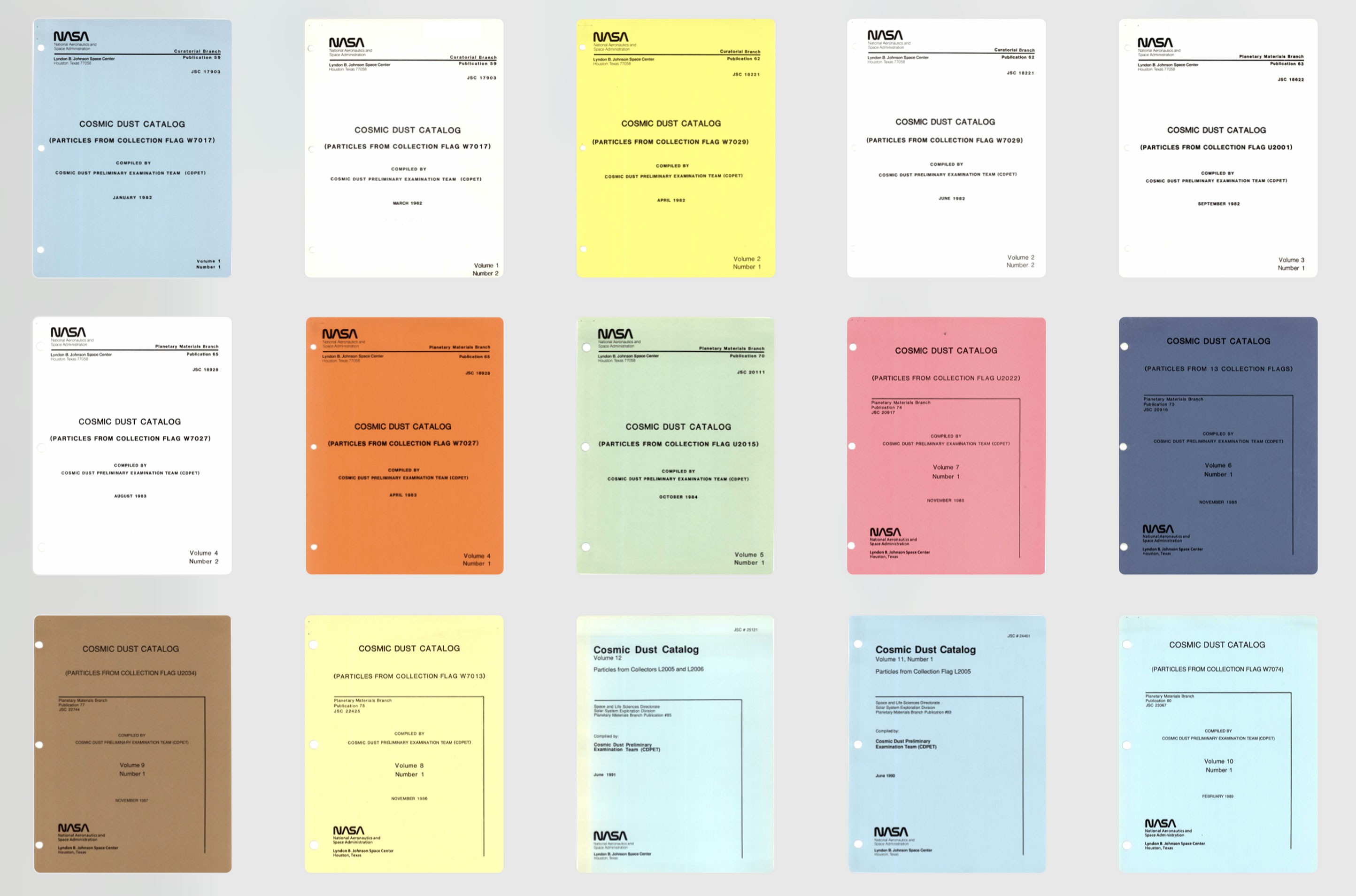
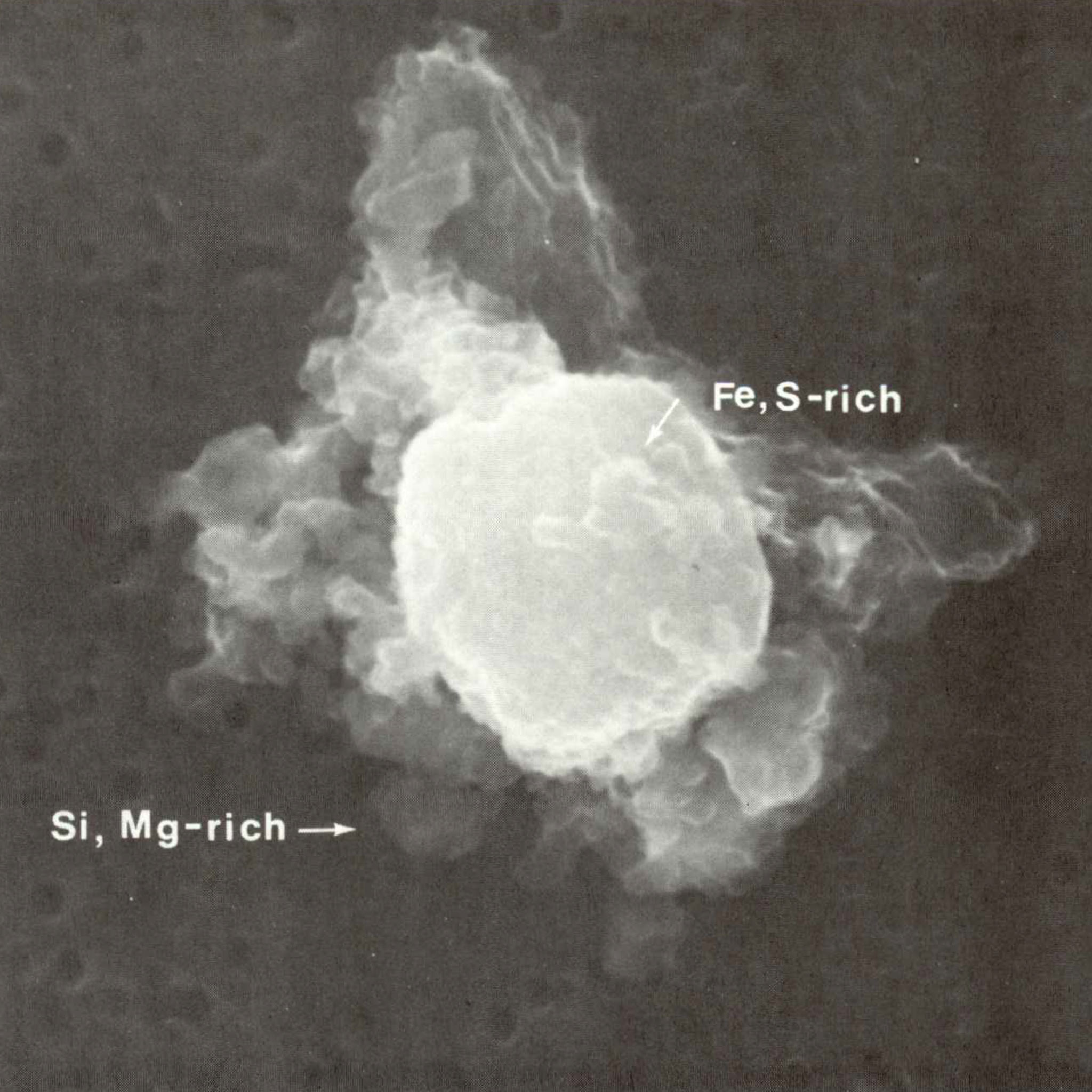
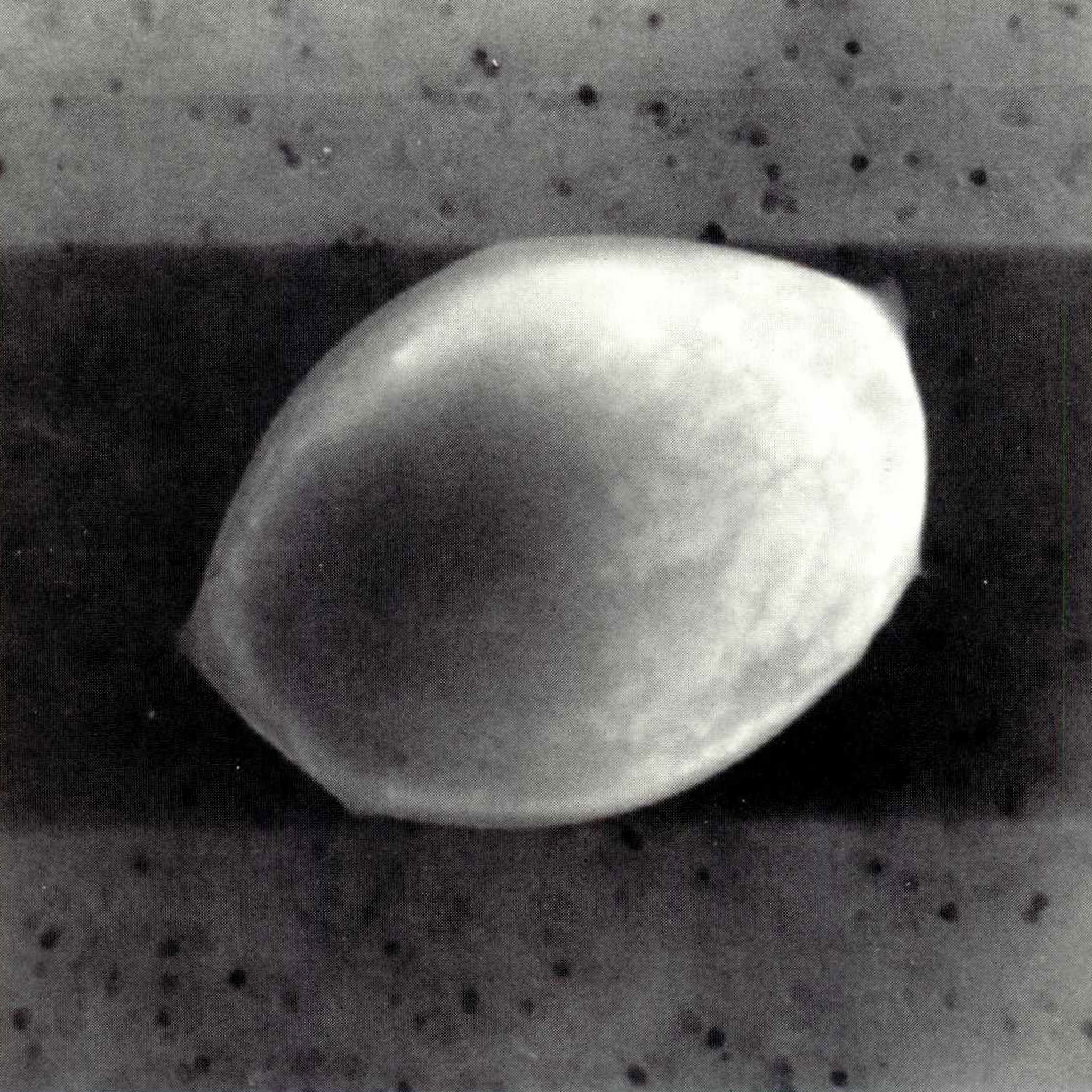
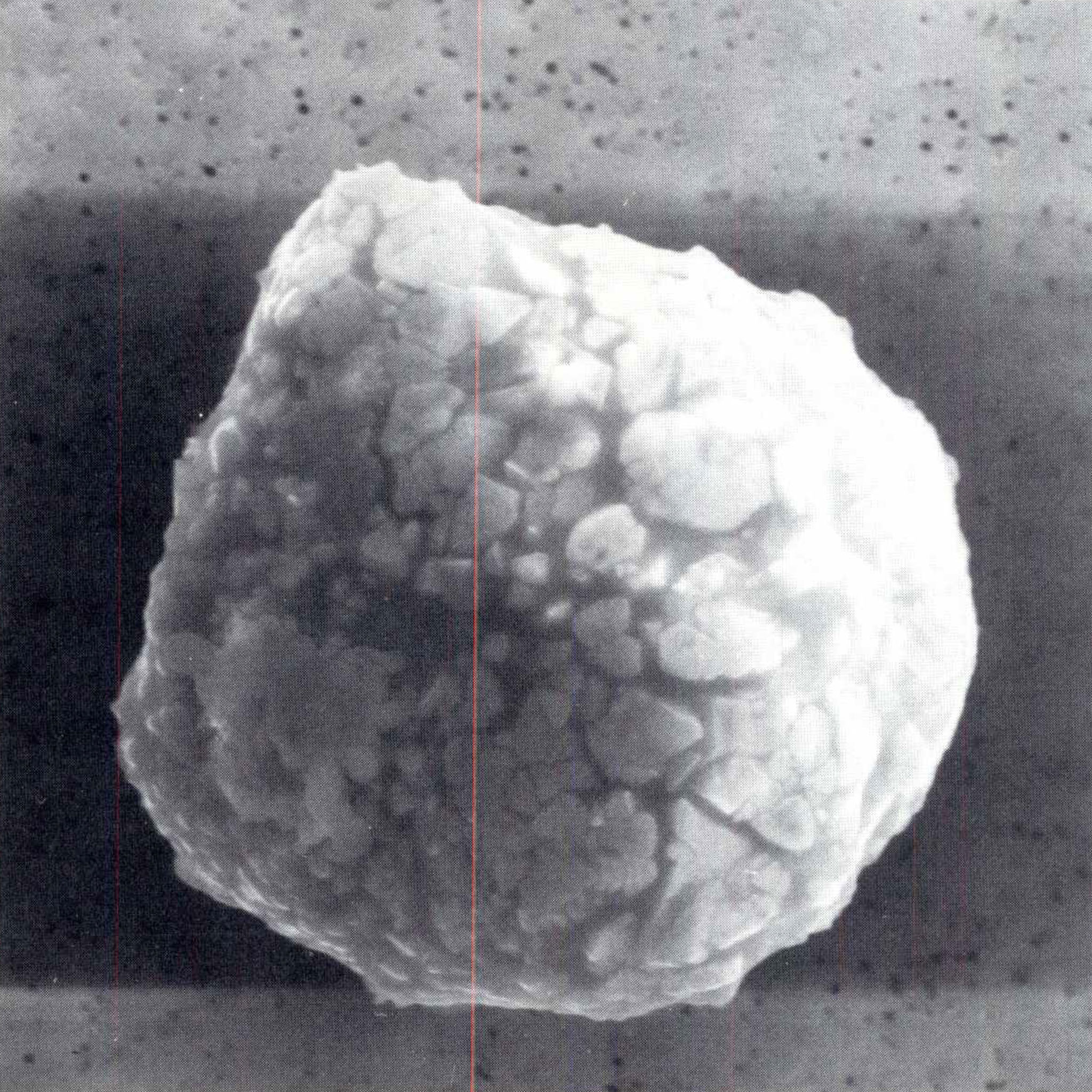
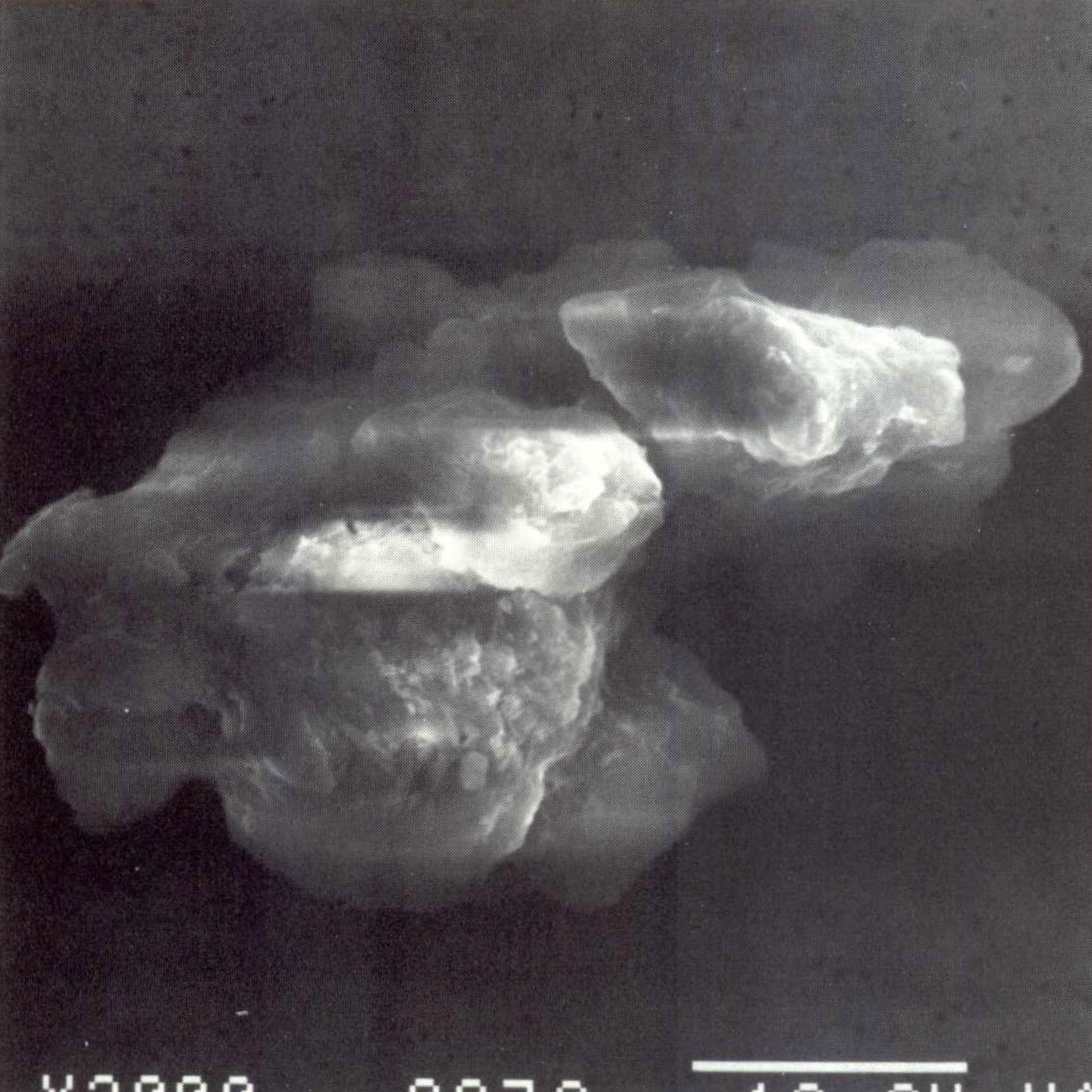
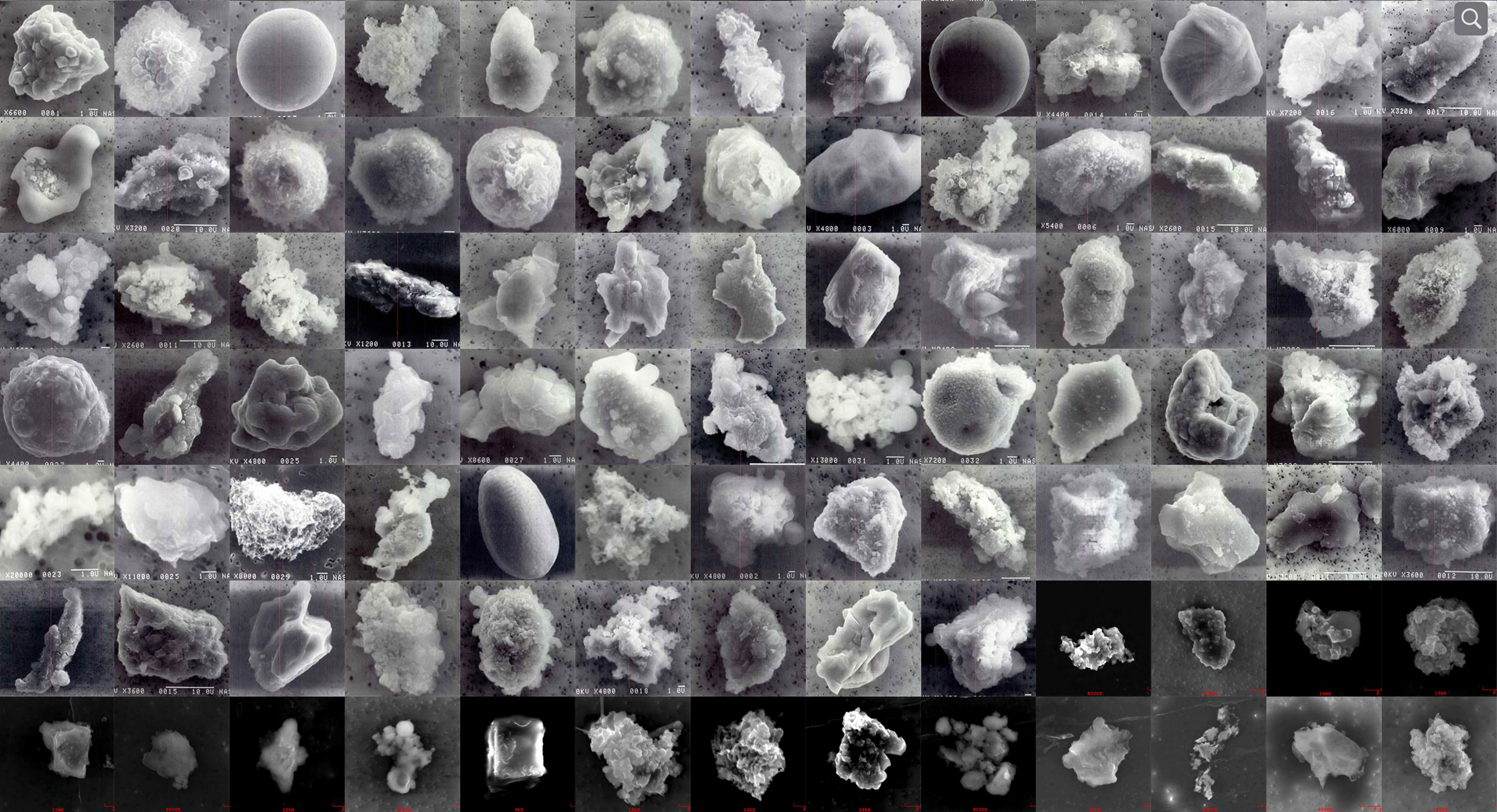
NASA has been collecting cosmic dust since 1981, first in aeroplanes in the stratosphere, at an altitude of around 18 km, and then in space, where the Stardust mission went to get it. In the beginning, grains were mounted for study under a scanning electron microscope determining size, shape, colour, and lustre which was then catalogued and distributed in black-and-white documents. Generations of instruments have undertaken this task during this period which roughly reflects my lifetime.
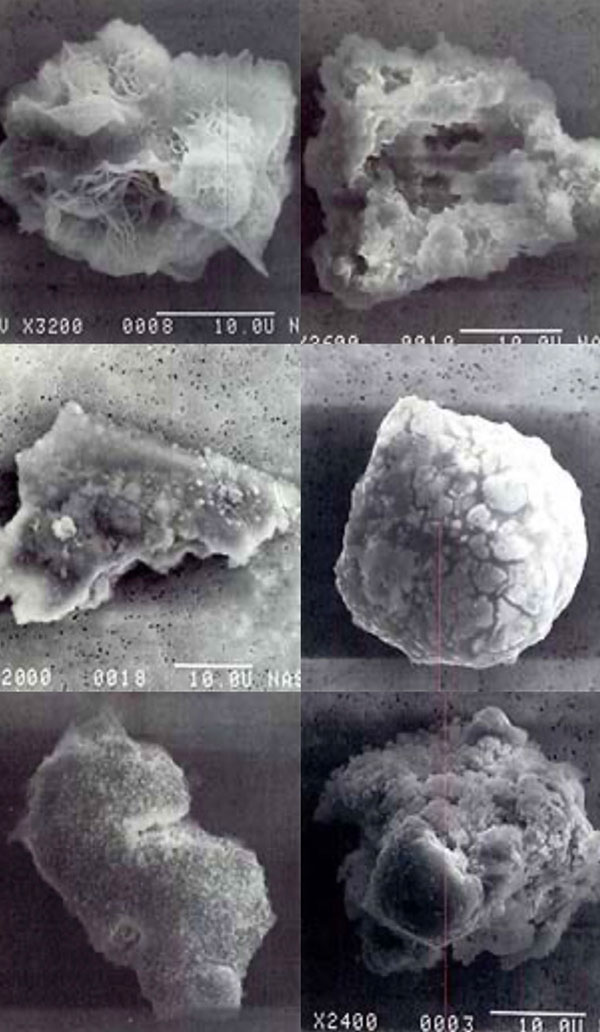
My associations with NASA’s photographs of cosmic dust are shaped by the evolution of technology that was also present in my timeline. My first-hand experience with faded, grainy photocopies from heavy khaki-coloured machines with a smell of warm ink. At the time I found the loss of visual detail disappointing; now, I see this loss as a historical artefact that can alleviate the distance between scientific knowledge and common experience.
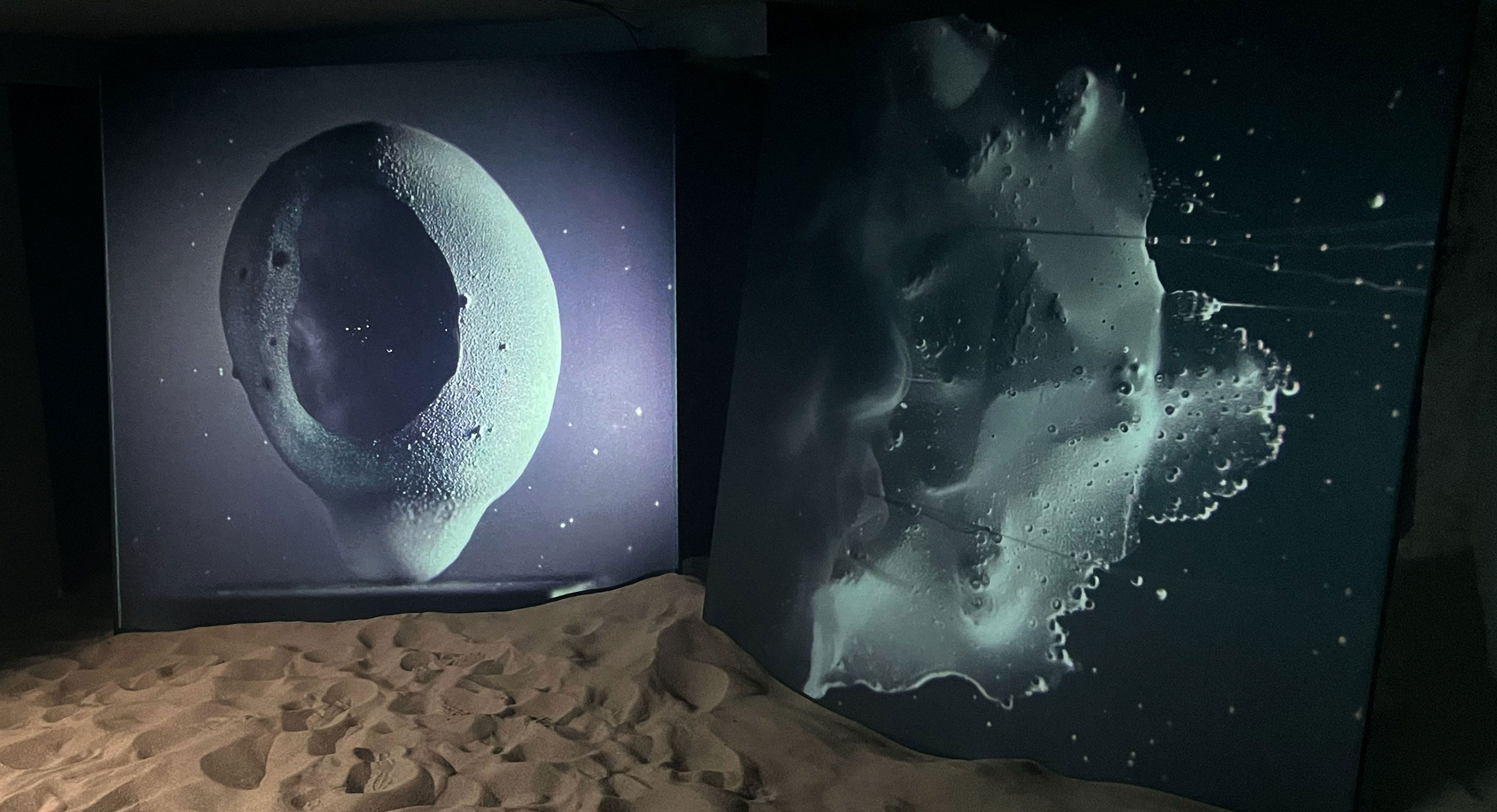
Over time, the look of the images changes. By 1997, the haunting look of the photocopier has vanished. This was when Outlook launched their e-mail services at scale; after that evidence of digital transmission start to appear. The dust itself, though, remains constant. These particles have existed for as long as we can imagine. If we could see them with the naked eye, we might not tell them apart. But seeing them through the shifting technologies of capture and reproduction, they take on the texture of different eras.
In that sense, these uncorrupted grains from outer space reflect not just the history of the cosmos, but also our own evolving ways of looking, and the technological desires that drive them.
NASA has been collecting cosmic dust since 1981, first in aeroplanes in the stratosphere, at an altitude of around 18 km, and then in space, where the Stardust mission went to get it. In the beginning, grains were mounted for study under a scanning electron microscope determining size, shape, colour, and lustre which was then catalogued and distributed in black-and-white documents. Generations of instruments have undertaken this task during this period which roughly reflects my lifetime.
My associations with NASA’s photographs of cosmic dust are shaped by the evolution of technology that was also present in my timeline. My first-hand experience with faded, grainy photocopies from heavy khaki-coloured machines with a smell of warm ink. At the time I found the loss of visual detail disappointing; now, I see this loss as a historical artefact that can alleviate the distance between scientific knowledge and common experience.
Over time, the look of the images changes. By 1997, the haunting look of the photocopier has vanished. This was when Outlook launched their e-mail services at scale; after that evidence of digital transmission start to appear. The dust itself, though, remains constant. These particles have existed for as long as we can imagine. If we could see them with the naked eye, we might not tell them apart. But seeing them through the shifting technologies of capture and reproduction, they take on the texture of different eras.
In that sense, these uncorrupted grains from outer space reflect not just the history of the cosmos, but also our own evolving ways of looking, and the technological desires that drive them.
NASA has been collecting cosmic dust since 1981, first in aeroplanes in the stratosphere, at an altitude of around 18 km, and then in space, where the Stardust mission went to get it. In the beginning, grains were mounted for study under a scanning electron microscope determining size, shape, colour, and lustre which was then catalogued and distributed in black-and-white documents. Generations of instruments have undertaken this task during this period which roughly reflects my lifetime.
My associations with NASA’s photographs of cosmic dust are shaped by the evolution of technology that was also present in my timeline. My first-hand experience with faded, grainy photocopies from heavy khaki-coloured machines with a smell of warm ink. At the time I found the loss of visual detail disappointing; now, I see this loss as a historical artefact that can alleviate the distance between scientific knowledge and common experience.
Over time, the look of the images changes. By 1997, the haunting look of the photocopier has vanished. This was when Outlook launched their e-mail services at scale; after that evidence of digital transmission start to appear. The dust itself, though, remains constant. These particles have existed for as long as we can imagine. If we could see them with the naked eye, we might not tell them apart. But seeing them through the shifting technologies of capture and reproduction, they take on the texture of different eras.
In that sense, these uncorrupted grains from outer space reflect not just the history of the cosmos, but also our own evolving ways of looking, and the technological desires that drive them.