NASA's Stardust Archive
NASA's Stardust Archive
WHAT
WHAT
WHAT
Archival research into photos of traces of stardust from NASA's Stardust mission
Archival research into photos of traces of stardust from NASA's Stardust mission
Archival research into photos of traces of stardust from NASA's Stardust mission
WHEN
WHEN
WHEN
Nov, 2024
Nov, 2024
Nov, 2024
About
About
About
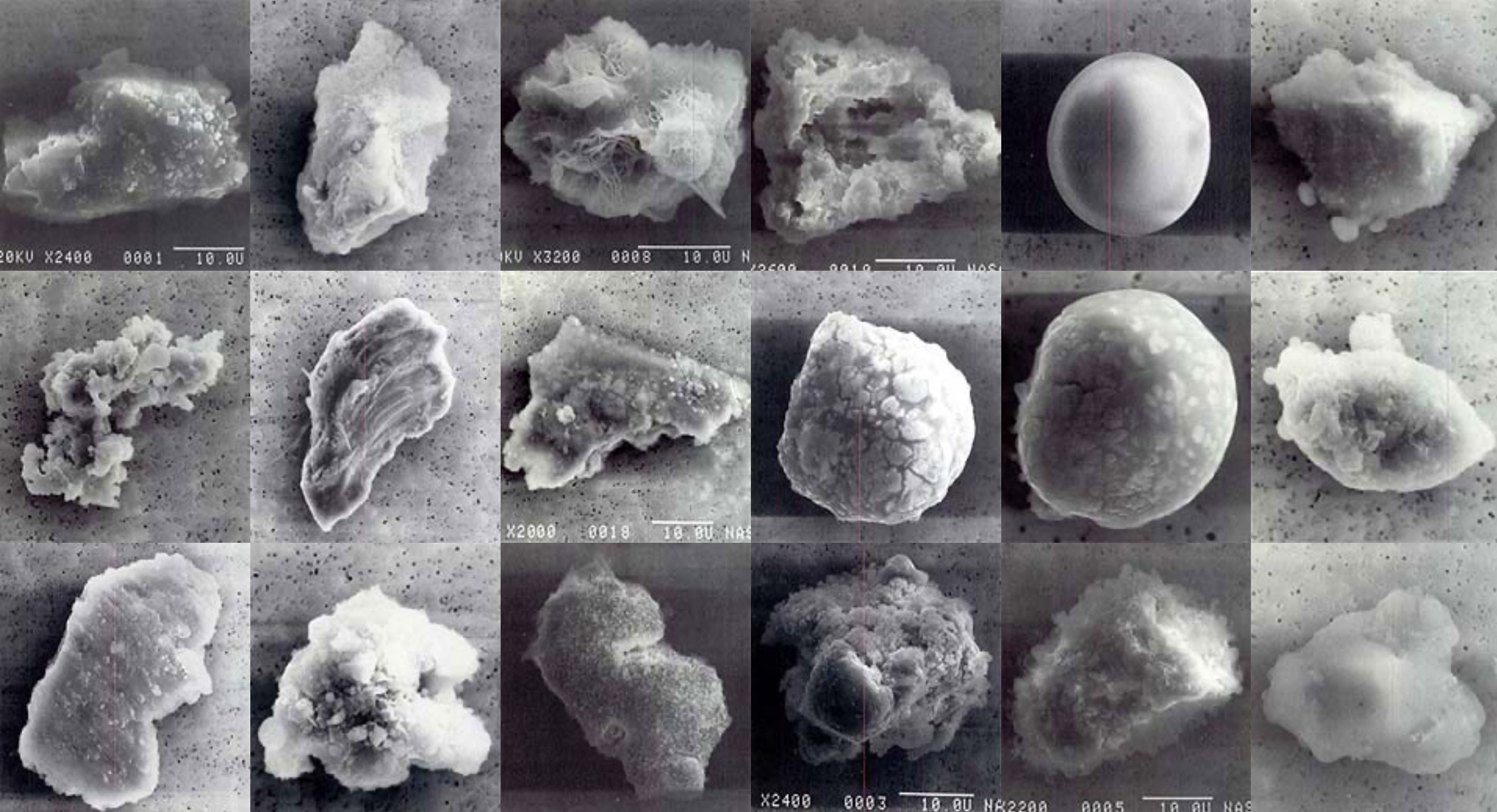
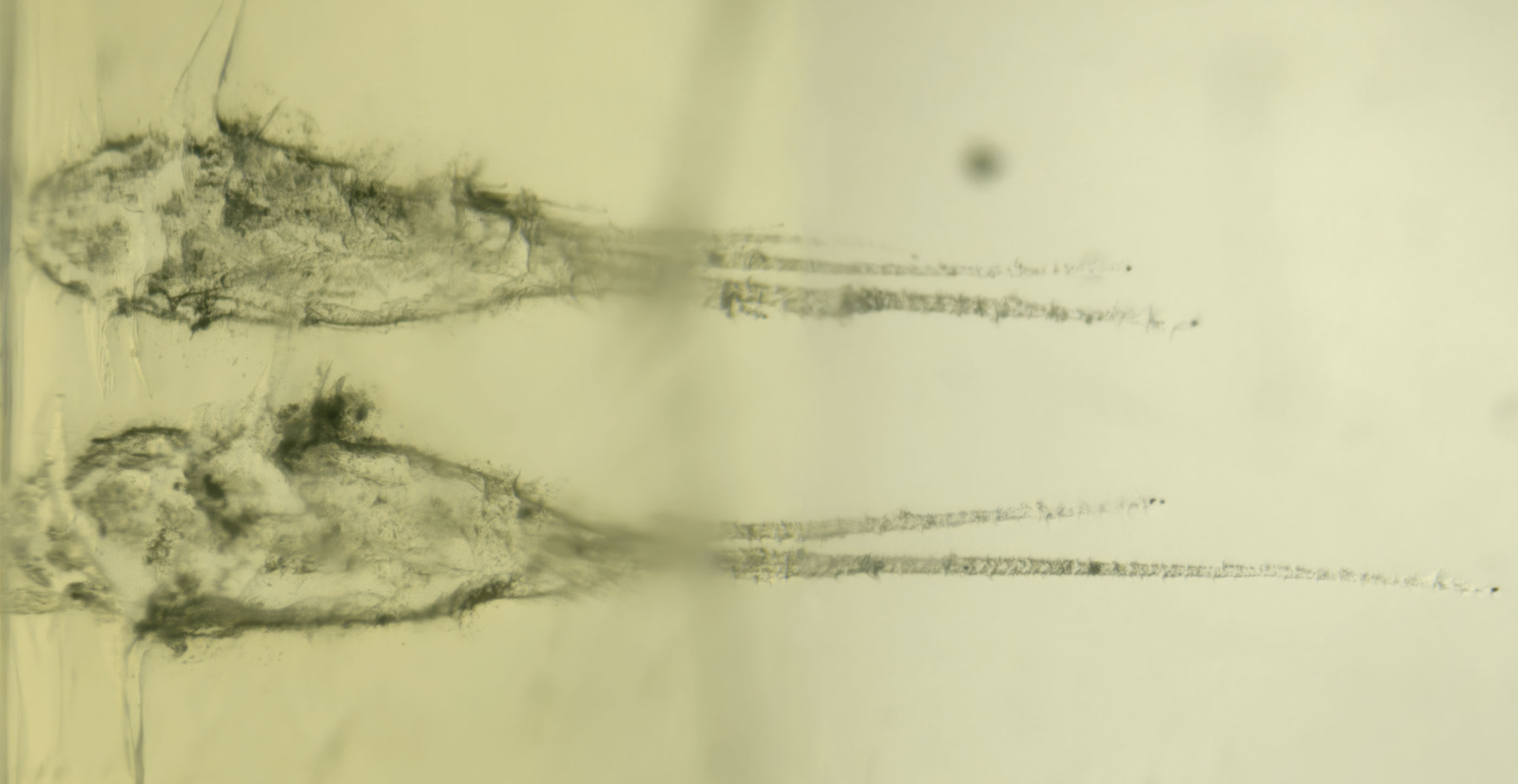
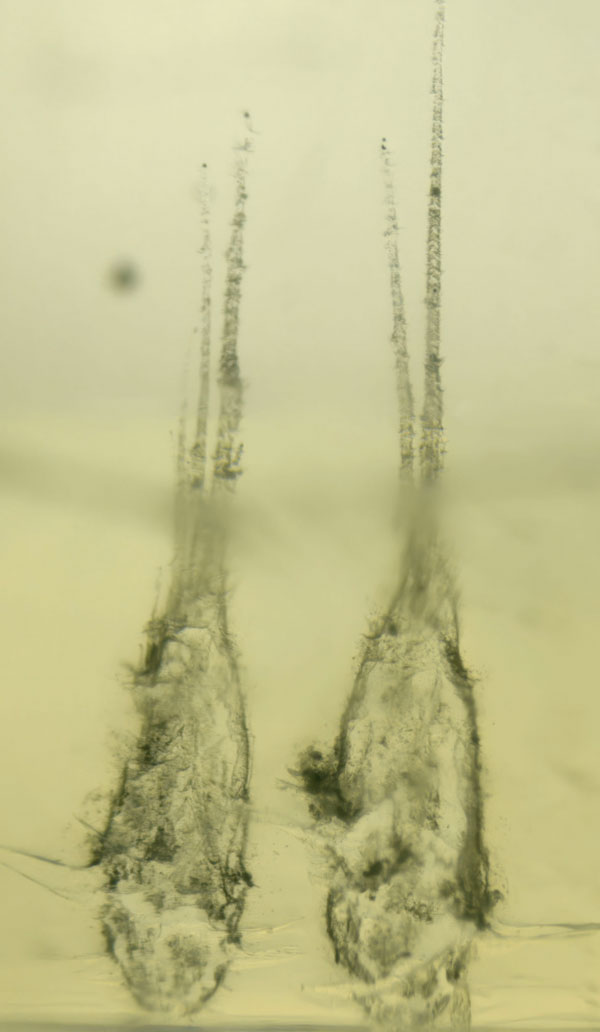
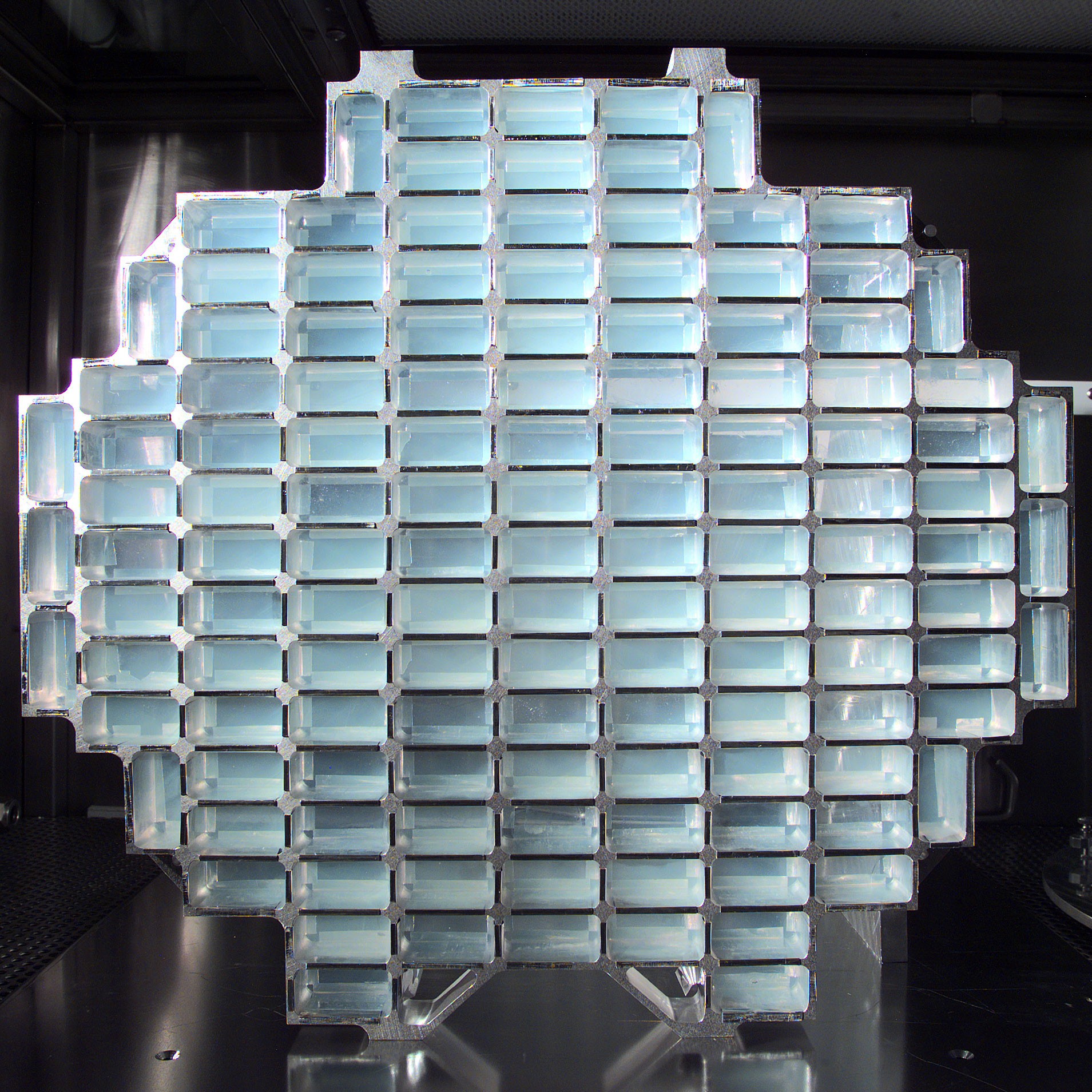
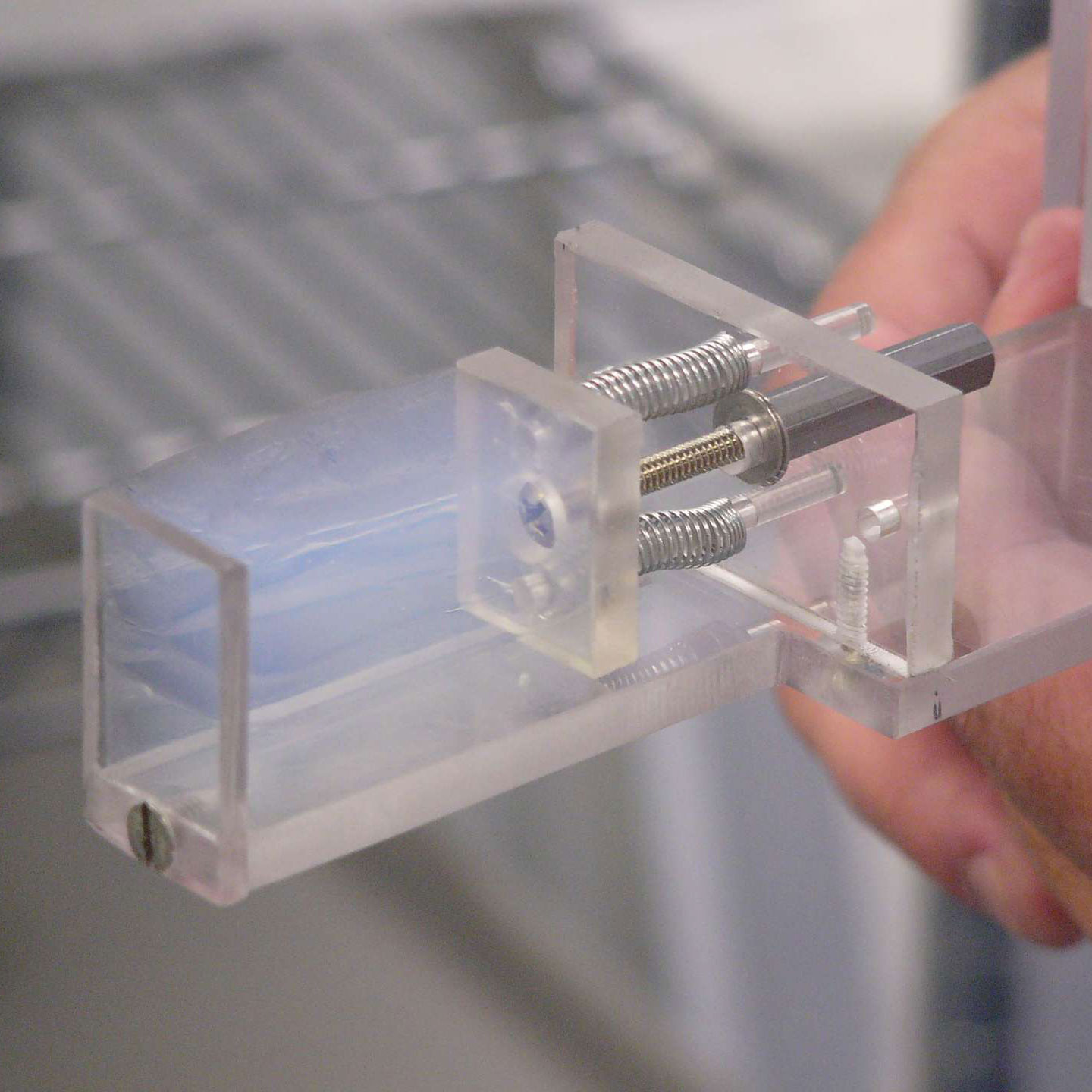
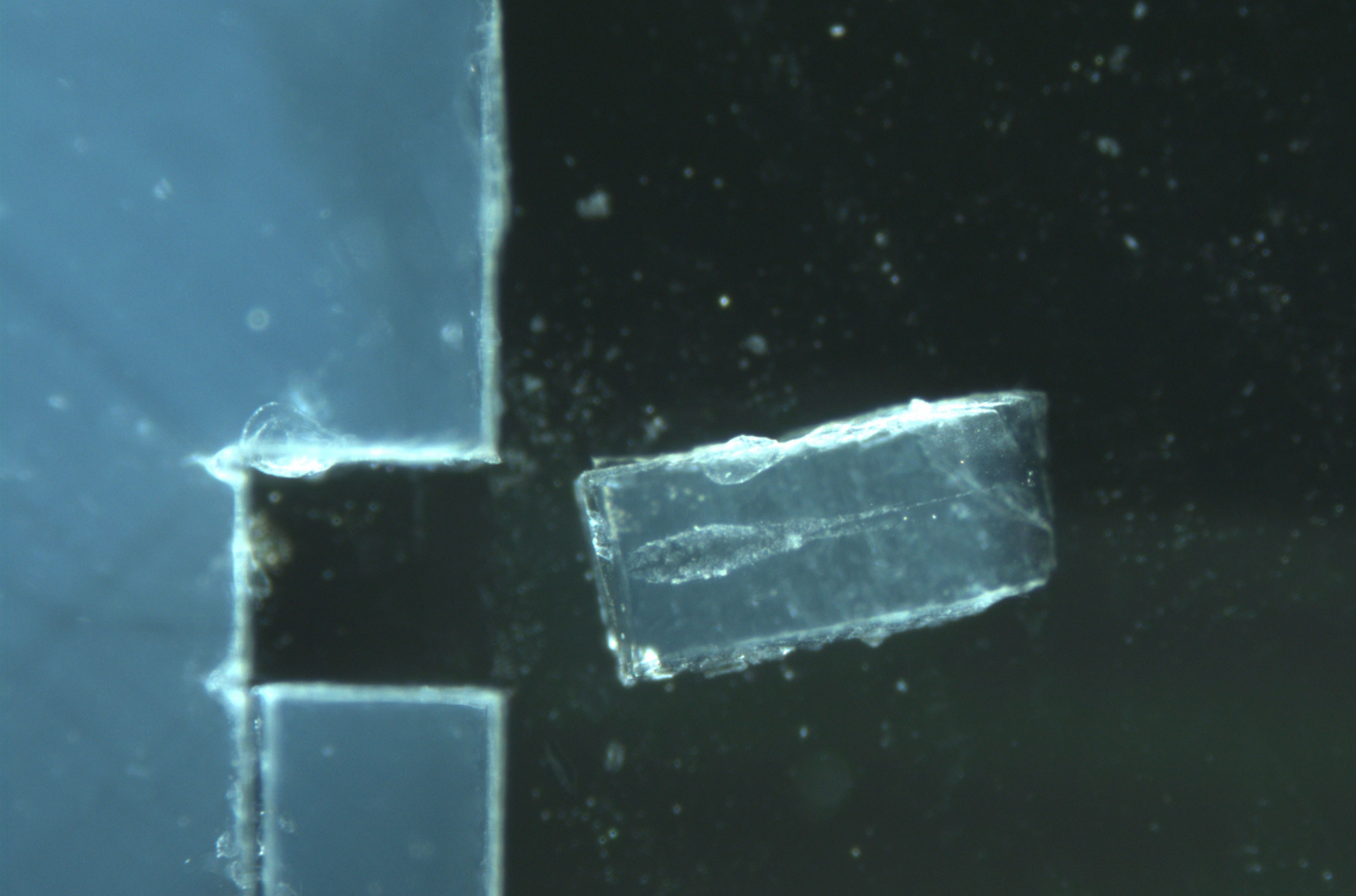
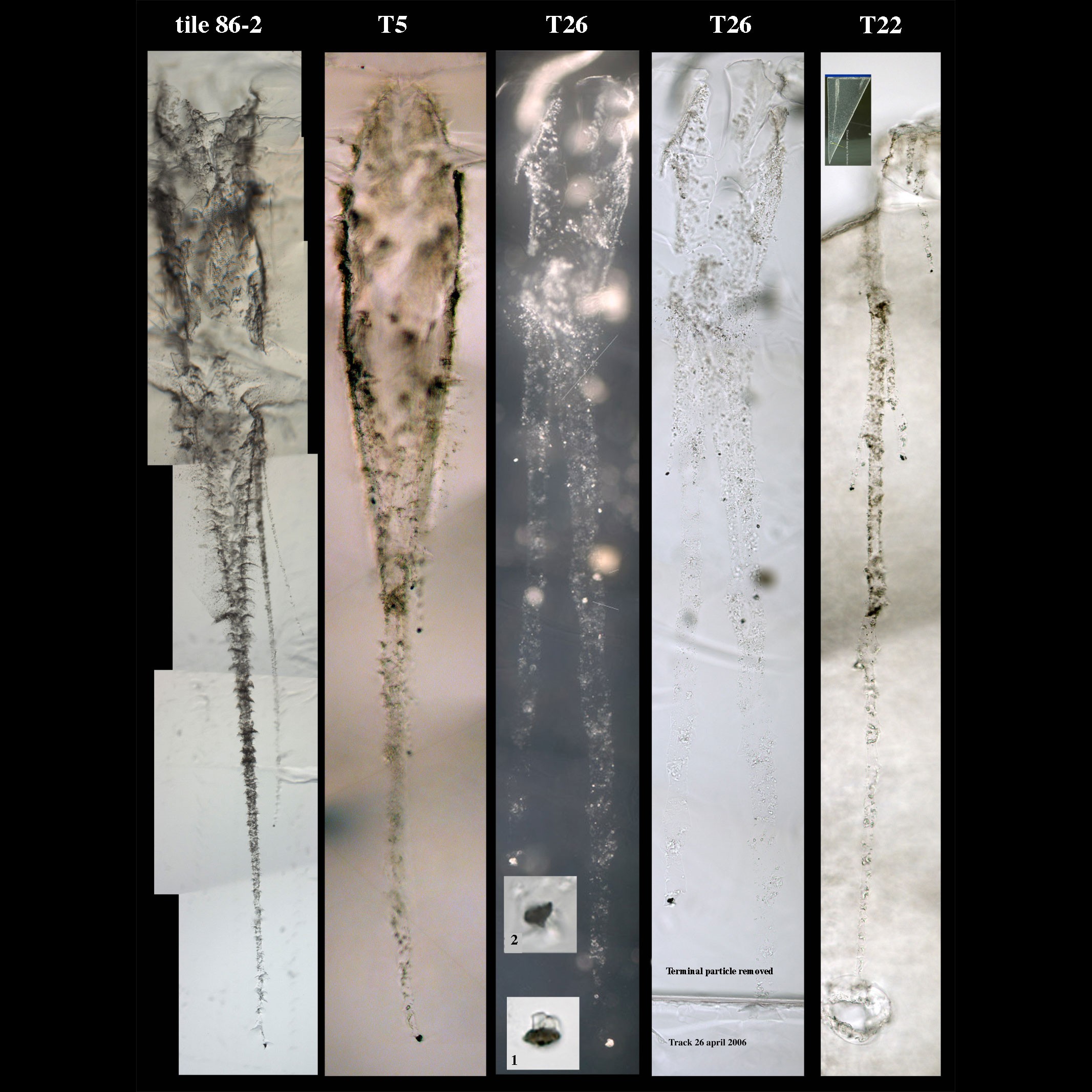
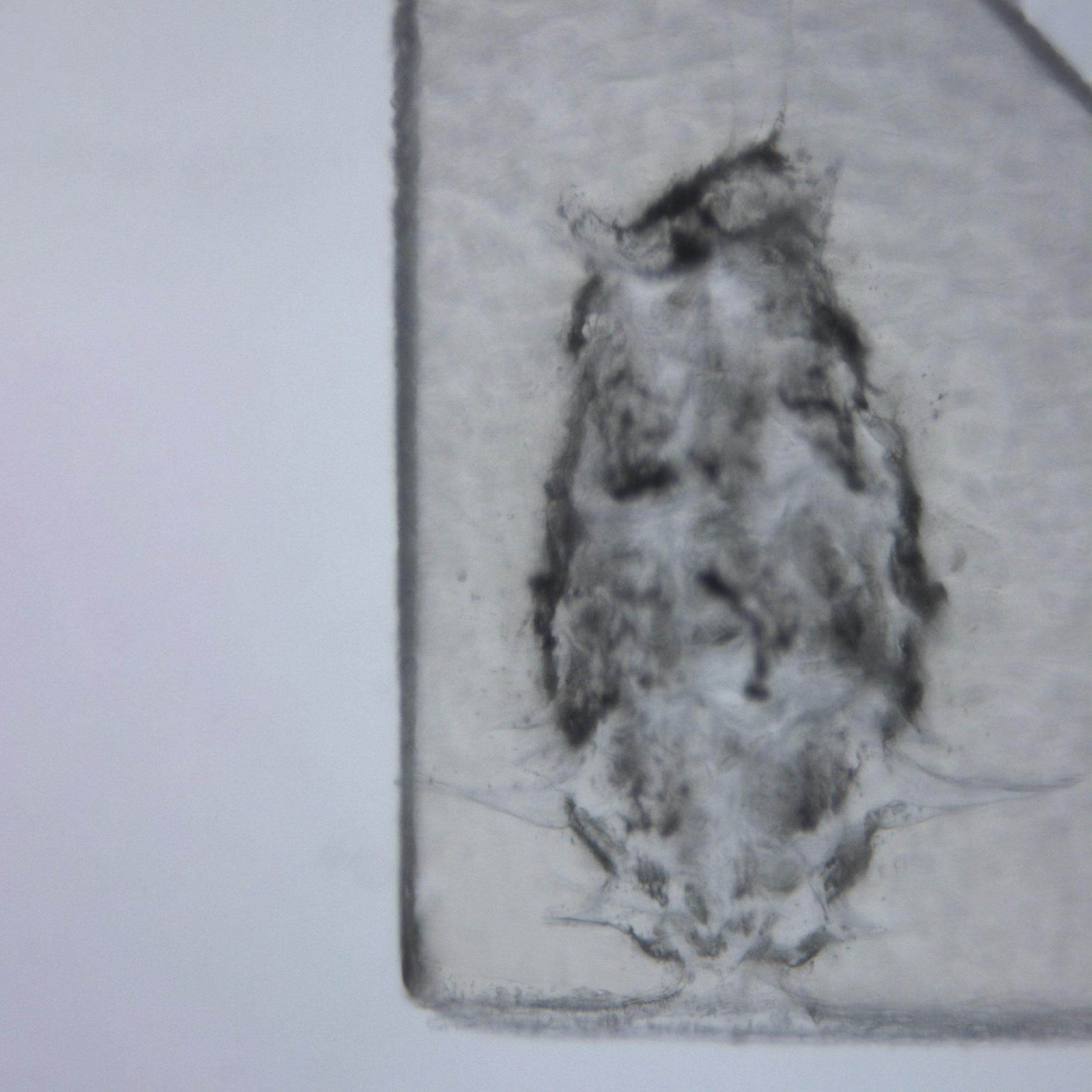
These images are of traces of cosmic dust that NASA collected back in 2006. They arrived on Earth in a capsule that landed in a Utah desert. From there the samples were carefully transported to a clean-room at Johnson Space Center. Inside the capsule were blocks of aerogel – a super light but durable material that was used to catch these tiny cosmic particles. The aerogel was carefully designed to capture them within a centimetre of the point of entry – halting a microscopic bullet hurtling through space. Inside these blocks of aerogel are grains of stardust frozen in time alongside traces of their last motion through space.
These images are of stardust – but most of what we’re seeing is the technology that captured them. But there’s so much more technology used in the making of these images that we don’t see at all. This is my main interest in these images – the enormous technological and scientific operation of their production. And another level: is it possible that this operation has also produced our cosmic reality?
I interviewed Dr. Keiko Nakamura-Messenger in January, 2025. Part of producing NASA’s images of cosmic dust traces back in 2006, she told me about the cocoa powder calibration of the aerogel ahead of its flight to space.
(her explanation of what they can tell us)
On a more philosophical level, I’m interested in these images for their capacity to convey what I think of as “captured acceleration”. In this project I’m exploring the entanglement of cosmic acceleration and technological accelerationism, and what makes this so challenging is that I cannot step outside of that. Being human I’m both part of the exploding universe and part of a world being reshaped by accelerating technology. These images seem to hold a fragment of that dual condition. They capture a sliver of this explosive reality – both cosmic and technological – in a way that feels precise.
These images are of traces of cosmic dust that NASA collected back in 2006. They arrived on Earth in a capsule that landed in a Utah desert. From there the samples were carefully transported to a clean-room at Johnson Space Center. Inside the capsule were blocks of aerogel – a super light but durable material that was used to catch these tiny cosmic particles. The aerogel was carefully designed to capture them within a centimetre of the point of entry – halting a microscopic bullet hurtling through space. Inside these blocks of aerogel are grains of stardust frozen in time alongside traces of their last motion through space.
These images are of stardust – but most of what we’re seeing is the technology that captured them. But there’s so much more technology used in the making of these images that we don’t see at all. This is my main interest in these images – the enormous technological and scientific operation of their production. And another level: is it possible that this operation has also produced our cosmic reality?
I interviewed Dr. Keiko Nakamura-Messenger in January, 2025. Part of producing NASA’s images of cosmic dust traces back in 2006, she told me about the cocoa powder calibration of the aerogel ahead of its flight to space.
(her explanation of what they can tell us)
On a more philosophical level, I’m interested in these images for their capacity to convey what I think of as “captured acceleration”. In this project I’m exploring the entanglement of cosmic acceleration and technological accelerationism, and what makes this so challenging is that I cannot step outside of that. Being human I’m both part of the exploding universe and part of a world being reshaped by accelerating technology. These images seem to hold a fragment of that dual condition. They capture a sliver of this explosive reality – both cosmic and technological – in a way that feels precise.
These images are of traces of cosmic dust that NASA collected back in 2006. They arrived on Earth in a capsule that landed in a Utah desert. From there the samples were carefully transported to a clean-room at Johnson Space Center. Inside the capsule were blocks of aerogel – a super light but durable material that was used to catch these tiny cosmic particles. The aerogel was carefully designed to capture them within a centimetre of the point of entry – halting a microscopic bullet hurtling through space. Inside these blocks of aerogel are grains of stardust frozen in time alongside traces of their last motion through space.
These images are of stardust – but most of what we’re seeing is the technology that captured them. But there’s so much more technology used in the making of these images that we don’t see at all. This is my main interest in these images – the enormous technological and scientific operation of their production. And another level: is it possible that this operation has also produced our cosmic reality?
I interviewed Dr. Keiko Nakamura-Messenger in January, 2025. Part of producing NASA’s images of cosmic dust traces back in 2006, she told me about the cocoa powder calibration of the aerogel ahead of its flight to space.
(her explanation of what they can tell us)
On a more philosophical level, I’m interested in these images for their capacity to convey what I think of as “captured acceleration”. In this project I’m exploring the entanglement of cosmic acceleration and technological accelerationism, and what makes this so challenging is that I cannot step outside of that. Being human I’m both part of the exploding universe and part of a world being reshaped by accelerating technology. These images seem to hold a fragment of that dual condition. They capture a sliver of this explosive reality – both cosmic and technological – in a way that feels precise.
THANKS TO
Dr. Keiko Nakamura-Messenger
Mission Research Scientist at NASA (2006)